Spatial SEO: How to Optimize Your Local Brand for AR Glasses in 2026
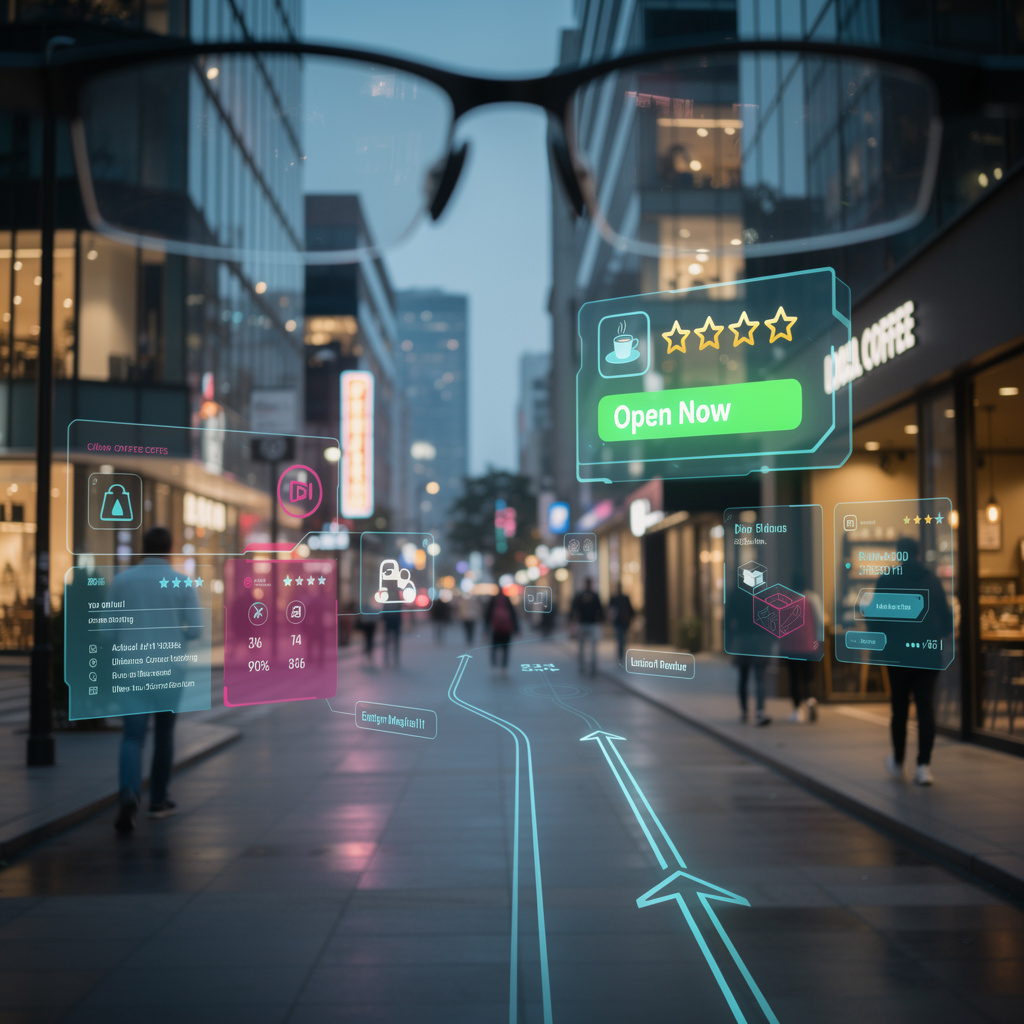
As AR glasses gain mainstream adoption in 2026, local search is shifting directly into the user's physical field of view. Learn how to optimize your storefront for real-time spatial overlays and interactive AR search engines.
Spatial SEO: How to Optimize Your Local Brand for AR Glasses
The era of staring down at a six-inch smartphone screen to find a nearby business is rapidly coming to an end. With lightweight, fashionable augmented reality (AR) glasses finally achieving mainstream adoption, local search has migrated from flat, pixelated maps directly into the user’s physical field of view.
When a pedestrian walks down a busy metropolitan avenue, their AR headset overlays dynamic, real-time information over physical storefronts. This paradigm shift has birthed a new discipline: Spatial SEO. To capture high-intent foot traffic today, local brands must optimize not just for search engine algorithms, but for the optical sensors, spatial mapping engines, and Visual Positioning Systems (VPS) that power augmented reality.
The Core Mechanics of Spatial Search
To optimize for AR search, you must first understand how spatial search engines process the physical world. Unlike traditional local search which relies purely on GPS coordinates and keyword matching, AR search relies on a combination of three technologies:
- Visual Positioning Systems (VPS): VPS uses the user's AR camera feed to map the surrounding physical geometry against a global database of 3D point clouds. It offers millimeter-level positioning accuracy, far surpassing standard GPS.
- Optical Character Recognition & Semantic Parsing: AR glasses continuously read physical signage, menus, and window displays in real time, matching physical text with digital business profiles.
- Spatial Schema Markup: This structured data allows search engines to translate traditional web directories into rich, holographic overlays that sit perfectly on top of physical structures.
Step 1: Optimize the Physical Storefront for AR Cameras
In the era of spatial search, your physical storefront is your primary digital asset. If the visual sensors on AR glasses cannot read or recognize your physical location, your digital overlays will fail to appear, or worse, align with a competitor's business.
Maximize Contrast and Optical Readability
AR glasses rely heavily on Optical Character Recognition (OCR) to identify business names. Ensure your physical signage uses clean, high-contrast, sans-serif fonts. Avoid overly reflective materials or distressed textures on your main signage, as these can confuse computer vision models under harsh sunlight or night-time street lighting.
Establish Visual Anchors
Computer vision algorithms map environments by identifying distinct structural edges, corners, and unique physical patterns (visual anchors). Keeping your storefront clean, well-lit, and architecturally distinct helps VPS systems quickly register your building. If you share a strip mall or a historic building with multiple merchants, use unique outdoor planters, distinctive door colors, or clean window vinyls to give spatial algorithms clear anchors to index.
Step 2: Implement Spatial Schema & "Spatial Entities"
To connect your physical store to the spatial web, your digital presence must speak the language of 3D. Search engines now support advanced spatial markup tags that allow you to define the exact boundaries of your physical space.
Leverage Advanced Place and 3DModel Schema
Your website's local schema markup must go beyond standard addresses and phone numbers. You should now deploy Spatial Schema, which includes:
- Geospatial Coordinates with Elevation: Specify your exact latitude, longitude, and elevation floor level (crucial for multi-story shopping centers and office towers).
- GLTF/USDZ Product Feeds: Link high-quality 3D assets of your core inventory directly within your product schema. This allows passersby to preview holographic versions of your products in their immediate surroundings before ever stepping inside.
- Point Cloud Anchors: Submit your spatial anchor IDs (generated via platforms like Google Visual Positioning Service or Apple ARKit) directly inside your local schema to lock your business profile to your physical doorway.
Step 3: Dominate the "Active Field of View" with Live Data APIs
When users look at your storefront through AR glasses, they expect live, contextual interaction. Static business hours are no longer sufficient; you must feed spatial engines real-time operational data via active APIs.
Real-Time Occupancy and Wait Times
Integrate your point-of-sale (POS) and reservation software with local spatial directories. If a group of friends walks past your restaurant, their AR glasses should instantly display a floating bubble showing current table wait times, live seating charts, or interactive daily menus based on current stock levels.
Interactive Spatial Reviews
Traditional star ratings have evolved into spatial audio and visual review overlays. Encourage customers to leave "spatial reviews"—placing digital sticky notes or virtual video testimonials at specific spots inside your business. These rich, user-generated AR coordinates build immediate trust for onlookers peer-reviewing your store from the sidewalk.
Actionable Spatial SEO Checklist for Local Brands
To ensure your business remains visible as spatial computing becomes the default way consumers navigate the world, execute this four-part checklist:
- [ ] Audit Your Storefront's Computer Vision Profile: Use smartphone-based AR mapping tools to walk past your storefront at different times of day. Verify that visual positioning networks can reliably detect and map your location under varying light conditions.
- [ ] Publish 3D Product Catalogs: Convert your top-selling physical products into lightweight USDZ and GLTF files. Map these files to your Google Merchant Center and Apple Business Connect profiles so they can be rendered as interactive 3D objects in spatial search.
- [ ] Claim Your Spatial Anchors: Use developer consoles from major spatial platforms to officially claim and verify the 3D coordinates and spatial boundaries of your storefront.
- [ ] Sync Live Inventory & Booking Engines: Connect your local business profiles to active APIs that broadcast real-time inventory, reservation availability, and current operating capacity.
The Spatial Horizon
We have officially moved past the point where digital marketing and physical marketing exist in silos. By optimization your brand for Spatial SEO, you ensure that as consumers navigate the physical world, your business is not just a passive structure, but an interactive, highly visible, and engaging digital landmark.
Ready to Scale Your Brand?
Our team of experts can help you implement these insights and drive real results.